


Emotional Intelligence Training That Sticks

A classroom can look successful on the surface and still miss the skills students need most. The discussion is active, the slides are polished, the assignments are complete - but when students face conflict, ambiguity, feedback, or ethical pressure, many still struggle to respond well. That gap is exactly why emotional intelligence training matters in higher education. It gives students practice with the human side of performance, where self-awareness, empathy, communication, and decision-making shape whether knowledge actually translates into success.
For educators, this is not a fringe topic. It sits at the center of student readiness. Whether you teach first-year seminars, business, leadership, communication, or professional development, you have likely seen the same challenge: students can define concepts like empathy or teamwork, yet have trouble applying them in real moments. They know what good communication sounds like in theory. They are less certain when the stakes feel personal.
What emotional intelligence training should actually do
The strongest emotional intelligence training does more than introduce vocabulary. It helps students notice their reactions, interpret the perspectives of others, and make better choices under pressure. That means the goal is not simply awareness. The goal is behavior.
This distinction matters because emotional intelligence is often taught too passively. A lecture on empathy can be useful. A reading on conflict styles can add language. Reflection prompts can surface insights. But if students never have to act, adjust, and see consequences unfold, the learning can remain abstract.
In a college setting, effective training should create movement between concept and application. Students need to recognize what emotional intelligence looks like in a team meeting, a difficult conversation, a leadership dilemma, or a moment of poor judgment. They also need room to practice without the high cost of getting it wrong in an internship, workplace, or peer relationship.
That is where many traditional approaches fall short. They explain emotional intelligence well enough, but they do not always create conditions for students to experience it.
Why emotional intelligence training is hard to teach with lectures alone
Most instructors already understand the value of emotional intelligence. The harder question is delivery. How do you teach something deeply personal, context-dependent, and behavioral in a classroom with limited time and mixed student motivation?
Lectures can establish a foundation, but emotional intelligence develops through interpretation and response. Students have to read a situation, manage themselves, and decide what to do next. Those are dynamic skills. They become clearer through interaction, not just explanation.
There is also a participation problem. Many students are willing to talk about leadership, communication, or ethics at a safe distance. They become less engaged when the conversation turns inward. If the learning format feels too abstract, too performative, or too easy to fake, discussion quality drops. Students say what they think the instructor wants to hear instead of wrestling with the real tension of human behavior.
That does not mean lectures, readings, or discussion should disappear. It means they work best as part of a broader learning design. Emotional intelligence is built through cycles of exposure, action, feedback, and reflection. Without those elements, students may remember the term but miss the habit.
What works better in the classroom
Experiential learning tends to produce stronger results because it asks students to make decisions rather than just analyze them. When students move through a realistic scenario, they have to weigh competing priorities, interpret emotional cues, and own the impact of their choices. That kind of practice is far closer to the situations they will encounter outside the classroom.
For educators, the benefit is practical as well as pedagogical. Interactive formats often generate richer discussion because students are responding to a shared experience, not a hypothetical idea floating in the air. Instead of asking, "What would empathy look like?" you can ask, "Why did that response escalate the conflict?" or "What signals did the student leader miss?" The conversation becomes more concrete, and students have more to say.
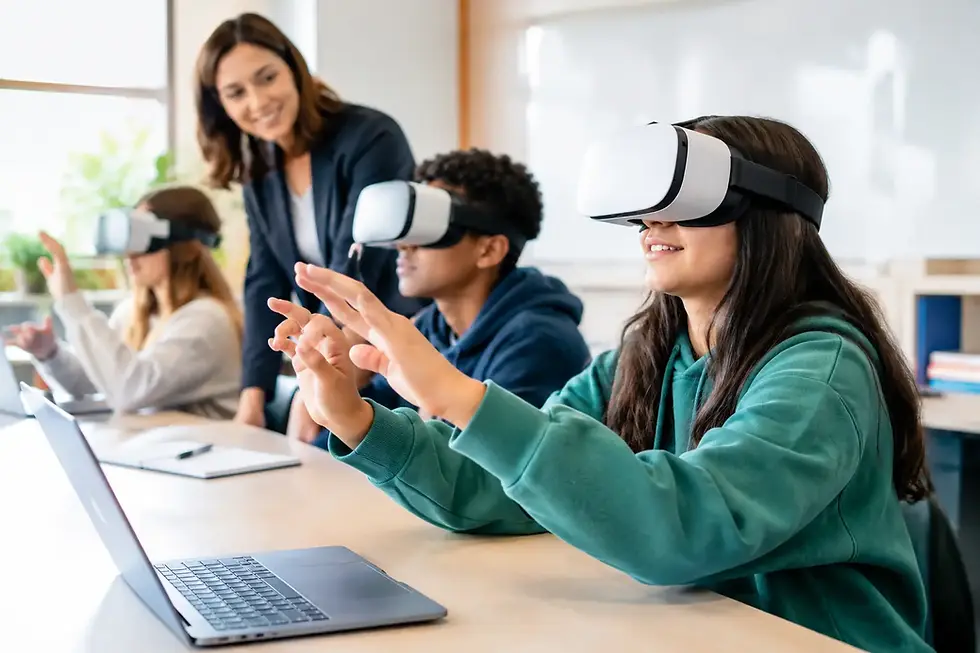
This is one reason gamified simulations are especially effective for emotional intelligence training. They create a low-risk space for high-value decisions. Students can test judgment, see outcomes, and reflect on what they would change. The experience feels immediate, but the classroom remains a safe place to learn.
Used well, simulation-based learning does not replace academic rigor. It strengthens it. Students connect frameworks to action, which helps them retain concepts and apply them with more confidence. Instructors gain a more visible way to assess whether students can actually use the skills being taught.
The skills students build through emotional intelligence training
When emotional intelligence training is designed for application, it supports a set of skills that cut across disciplines and career paths. Students become more aware of how their tone, assumptions, and reactions affect others. They improve at listening for meaning, not just waiting to speak. They get better at handling disagreement without shutting down or escalating tension.
These gains matter in first-year experience programs, where belonging, resilience, and self-management are central. They matter in business and MBA classrooms, where leadership and team performance depend on trust and communication. They matter in student success initiatives, where persistence is often shaped by confidence, help-seeking, and relationships.
There is also a strong workforce connection. Employers consistently value communication, collaboration, and professionalism, yet many students arrive at graduation with limited practice in the interpersonal side of work. Emotional intelligence training helps close that gap. It prepares students not just to complete tasks, but to navigate people, pressure, and complexity.
Still, the right approach depends on context. A first-year seminar may focus more on self-awareness, peer relationships, and transition challenges. A leadership course may emphasize conflict, influence, and feedback. A business ethics course may center on judgment under pressure. The core skill set overlaps, but the learning design should reflect where students are and what they need next.
How to make emotional intelligence training stick
If the goal is lasting change, the format matters as much as the content. One-off workshops can create a spark, but they rarely produce durable habits on their own. Students need repeated opportunities to practice and reflect over time.
That starts with relevance. Students engage more when scenarios feel familiar enough to recognize and challenging enough to matter. They also respond better when emotional intelligence is framed as a real performance skill, not a vague personality trait. The more clearly students can see the connection to academic success, team effectiveness, leadership, and career readiness, the more seriously they take the work.
It also helps to make learning visible. Reflection is strongest when students can point to a decision, an outcome, and an alternative. Instead of asking for generic takeaways, ask what they noticed about their own reaction, where the communication broke down, or what would have changed the result. Precision leads to better reflection.
Faculty support is another key factor. Even the best activity can fall flat if students are rushed through the debrief. Emotional intelligence grows in the discussion after the experience, when students interpret what happened and connect it to larger concepts. That is where instructors create depth.
For many institutions, scalability becomes the final challenge. Educators want active learning, but they also need tools that are classroom-ready, adaptable, and easy to facilitate. That is why many programs are moving toward structured simulations and interactive modules that can deliver consistent engagement without creating a heavy design burden for faculty. E.I. Games has built its approach around exactly this need, helping educators translate difficult interpersonal concepts into memorable learning experiences students can actually use.
A better standard for teaching human skills
Higher education has spent years asking how to prepare students for a world that values both technical ability and human judgment. Emotional intelligence training belongs in that answer, but only if we teach it in ways that move beyond explanation. Students do not build empathy, communication, or self-management by hearing about them once. They build them by practicing, reflecting, and trying again.
That is good news for educators who want stronger participation and more meaningful outcomes. When emotional intelligence is taught through active, relevant experiences, students show up differently. They engage more honestly, discuss with more depth, and leave with skills that travel well beyond a single course.
If we want students to respond thoughtfully when the moment is difficult, uncertain, or emotionally charged, the classroom has to give them more than concepts. It has to give them practice worth remembering.


Comments