


A Career Readiness Guide for College Classrooms

A student can earn strong grades, complete an internship, and still freeze when a teammate challenges an idea, a supervisor gives unclear feedback, or an ethical shortcut appears to save time. A meaningful career readiness guide must prepare students for those moments, not simply help them polish a resume. The most valuable classroom experiences make professional expectations visible, give students room to practice, and turn reflection into better choices the next time.
For educators and program leaders, this work is not an extra layer added after academic content. Career readiness is how students learn to apply what they know with judgment, empathy, accountability, and confidence. When students can connect disciplinary knowledge to the human realities of work, they leave college better prepared to contribute on day one.
Why Career Readiness Starts Before the Job Search
Career readiness is often reduced to job-search preparation: a resume workshop, mock interview, networking event, or career fair. Those experiences matter, but they are only one part of the picture. Employers also need graduates who can communicate across differences, manage competing priorities, receive feedback without becoming defensive, and make responsible decisions when no obvious answer exists.
These skills are difficult to teach through lecture alone. Students may understand the definition of active listening or ethical leadership, yet struggle to use either skill when pressure is high. They need repeated opportunities to encounter realistic problems, choose a response, see consequences, and discuss what they would do differently.
That is where the classroom has a distinct advantage. Before a student is evaluated by a manager or responsible for a client relationship, they can practice in an environment designed for growth. Faculty can make the hidden rules of professional life discussable and help students recognize that career success depends on both technical ability and interpersonal judgment.
A Career Readiness Guide Built Around Practice
The strongest approach does not ask students to memorize a list of workplace competencies. It creates learning experiences where those competencies are required. A team project becomes more valuable when students must address uneven participation. A case study becomes more relevant when the decision includes a conflict between short-term results and long-term trust. A presentation becomes more authentic when students receive feedback and revise their message for a specific audience.
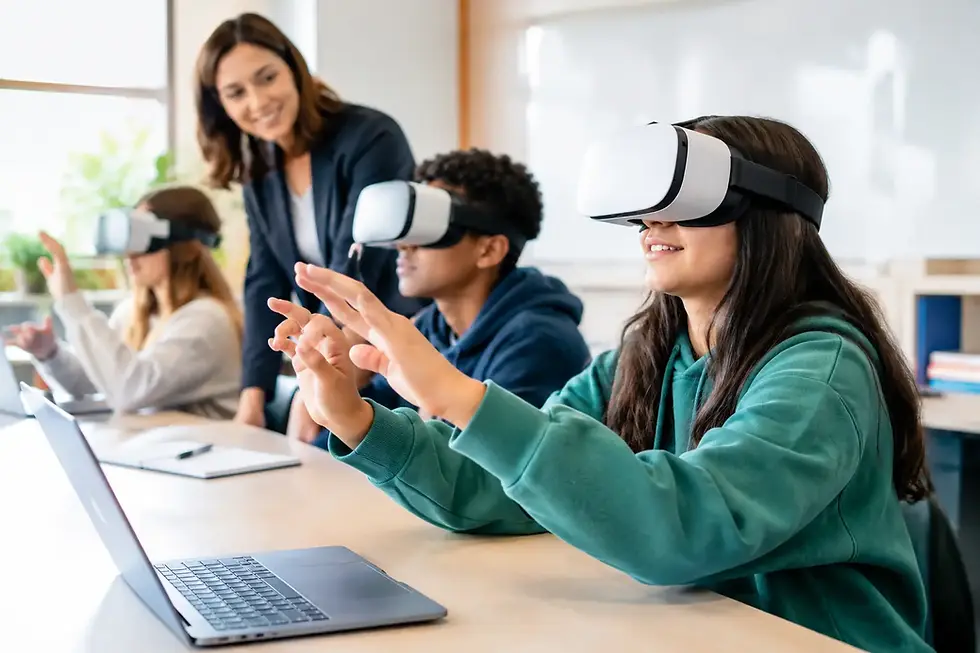
Experiential learning works because it adds stakes without requiring students to risk their actual careers. Gamified simulations are especially effective when educators want students to make decisions, compare perspectives, and experience the trade-offs that make professional situations challenging. The goal is not to turn every lesson into a competition. It is to create enough involvement that students care about the outcome and remember the reasoning behind it.
Make human skills observable
Terms such as communication, professionalism, and emotional intelligence can feel vague to students. Translate them into visible behaviors. Instead of asking students to “be professional,” discuss what professional conduct looks like when a deadline is missed, when a classmate dominates a conversation, or when a client asks for information they should not receive.
For example, communication can include asking clarifying questions before acting, adapting a message for the audience, and confirming shared next steps. Emotional intelligence can include recognizing frustration, managing an impulsive reaction, and considering how another person may interpret the same interaction. These behaviors can be practiced, discussed, and assessed much more clearly than broad personality traits.
This specificity also supports equity. Students do not all arrive at college with the same exposure to workplace norms or professional networks. Teaching expectations directly gives more students access to the knowledge that others may have learned informally.
Use reflection to turn activity into learning
An engaging activity is only the beginning. Without reflection, students may remember the excitement of a simulation or team challenge but miss the professional lesson beneath it. A few well-designed prompts can create the bridge between experience and future behavior.
Ask students what information they relied on, what assumptions influenced their choice, and whose perspective was missing from the discussion. Invite them to identify a moment when they felt certain and later reconsidered. Then connect those observations to workplace situations where decisions affect colleagues, customers, and organizational trust.
Reflection should not become a vague request to share feelings. It should help students name a skill, evaluate their choices, and set a practical next step. A student who writes, “I need to communicate better,” has not yet created a plan. A student who writes, “Before my next group meeting, I will ask each teammate to confirm responsibilities and deadlines in writing,” has.
Design Career Readiness Across the Curriculum
Career readiness gains power when it appears across a student’s academic journey rather than in one isolated seminar. A first-year course may focus on self-awareness, belonging, and constructive communication. Later courses can raise the complexity through leadership dilemmas, project management, negotiation, cultural awareness, and ethical decision-making within the discipline.
The exact sequence depends on the institution and program. Engineering students may need scenarios involving safety, design constraints, and cross-functional teamwork. Business students may benefit from stakeholder conflicts, organizational assessment, and leadership choices. Health-related programs may emphasize empathy, communication under pressure, and confidentiality. The core skills overlap, but the context should feel credible to students.
Faculty do not need to rebuild an entire course to make this happen. A 20-minute decision simulation, a structured debrief after a group assignment, or a peer-feedback exercise can create a meaningful practice cycle. The trade-off is time: every readiness activity competes with content coverage. The answer is not to treat professional skills as separate from course outcomes, but to use them as a way students apply and retain course content.
Create productive tension, not artificial certainty
Workplace problems rarely arrive with one clearly correct answer. Students need exposure to ambiguity, especially when values conflict. Should a team disclose a delay that could damage a relationship? Should a manager prioritize speed or inclusion when gathering input? How should an employee respond when a colleague makes an assumption about a customer or classmate?
These discussions can be uncomfortable, and that discomfort is often where learning begins. Educators can keep the environment constructive by establishing norms for listening, evidence-based disagreement, and respect. The purpose is not to pressure students into one approved response. It is to help them consider consequences, explain their reasoning, and recognize how their choices affect others.
Measure Growth Beyond Participation
High participation is encouraging, but participation alone does not show whether students are becoming more career-ready. Programs should identify a small set of observable outcomes and gather evidence over time. This might include the quality of student reflections, decision rationales, peer feedback, revised communication plans, or performance in realistic scenarios.
Pre- and post-activity self-assessments can be useful, particularly when paired with behavioral evidence. Confidence matters, but confidence without skill can be misleading. Likewise, a student may have strong skills but underestimate their ability because they have not yet had enough practice. Combining self-perception with demonstrated choices creates a clearer picture of growth.
Educators should also look for patterns in discussion. Are more students contributing? Are they acknowledging competing viewpoints? Are they moving beyond surface-level answers? Richer conversations often signal that students are learning to reason through professional complexity rather than waiting for the instructor to provide the answer.
E.I. Games supports this kind of active learning by giving educators classroom-ready simulations that make abstract professional skills concrete, memorable, and easier to discuss.
Help Students Carry the Lesson Forward
Students are more likely to use a skill when they can name it, describe an example, and explain why it matters. After a simulation, case, or team challenge, ask them to translate the experience into language they could use in an interview, internship reflection, or professional conversation.
A student might describe how they navigated a disagreement, balanced ethical concerns with organizational goals, or adjusted their communication after receiving feedback. This does not mean teaching students to perform a rehearsed story. It means helping them recognize that classroom decisions can become evidence of capability when they reflect on them with honesty and specificity.
The most effective career preparation gives students more than a checklist for getting hired. It gives them a place to practice becoming the colleague, leader, and problem-solver they want to be. When educators create those moments consistently, students do not just prepare for a first job. They begin building the judgment to grow through every job that follows.


Comments